

Activities and events
Building on the progress achieved during the first year, the second year focused on further developing the Alliance’s activities and creating new opportunities for collaboration and engagement.
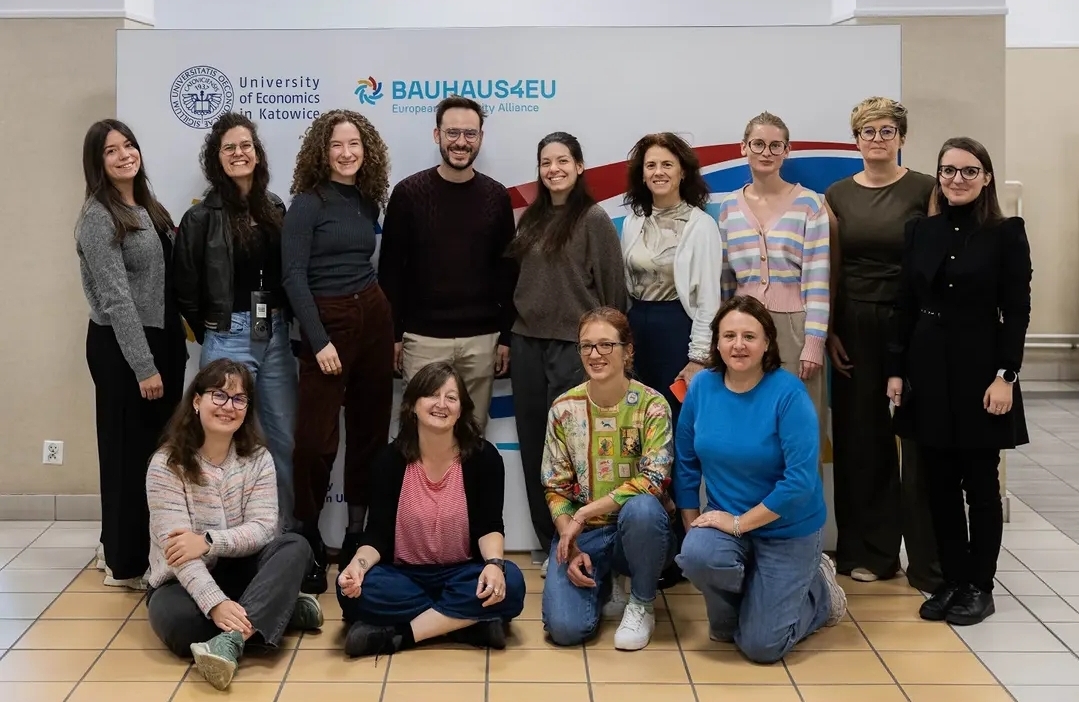
From 22 to 25 September, a meeting dedicated to WP11 and communication representatives from the BAUHAUS4EU partner universities took place in Katowice. The meeting included workshops on modern communication methods and tools, with a dedicated session on graphic design for websites, as well as joint working sessions focused on WP11 activities. The event provided a valuable opportunity for training, sharing good practices and strengthening collaboration among communication and WP11 representatives across the Alliance.
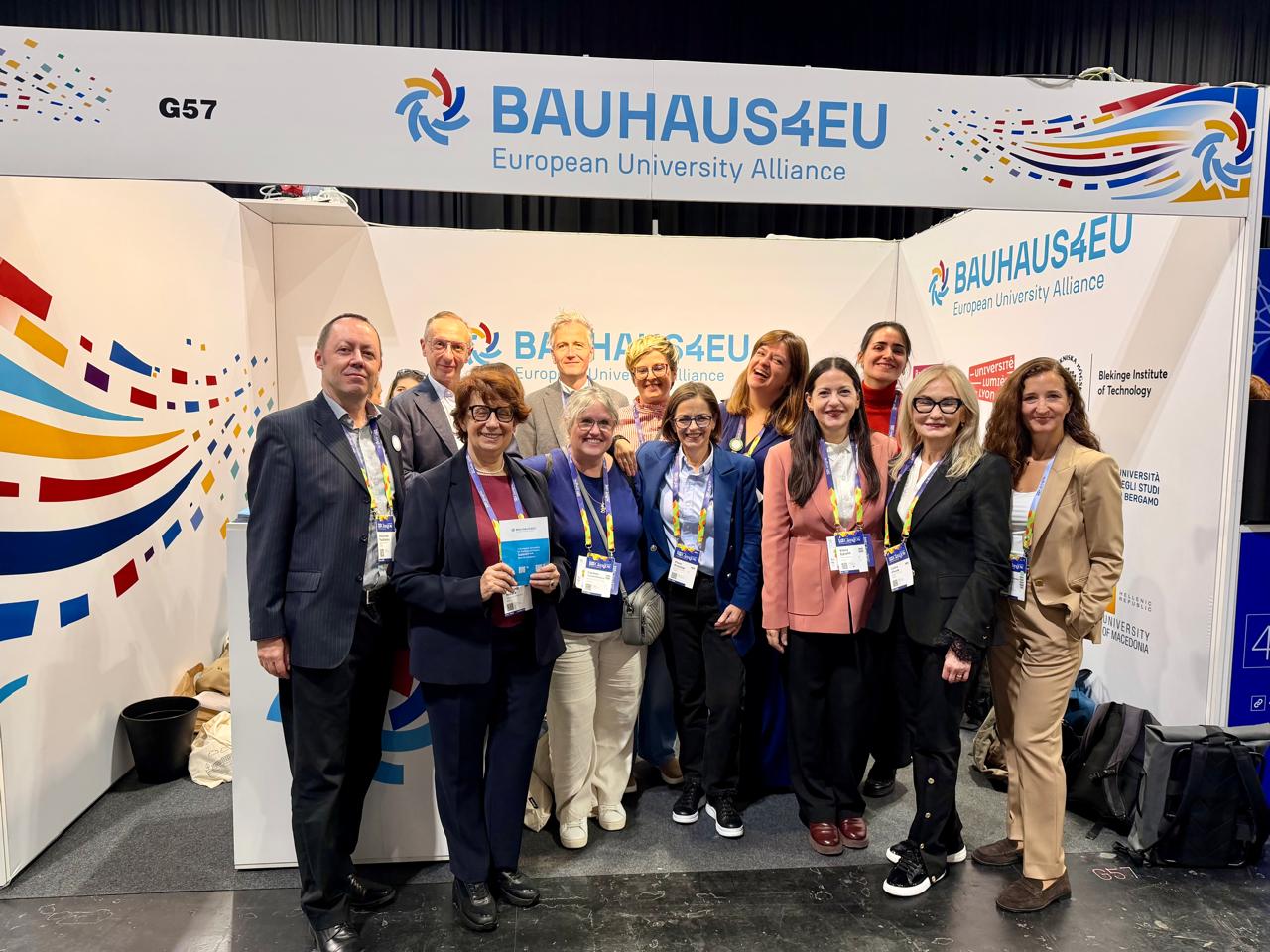
BAUHAUS4EU took part in the 36th Annual Conference and Exhibition of the European Association for International Education (EAIE), held in Glasgow from 8 to 11 September 2026 under the theme “The Rhythm of Revolution”.
With a dedicated booth and representatives from seven partner universities, the Alliance had the opportunity to showcase its activities, strengthen its international visibility, and engage with universities and other European University Alliances.
The event provided an important opportunity to build new connections, exchange experiences, and explore future opportunities for cooperation at European and international level.
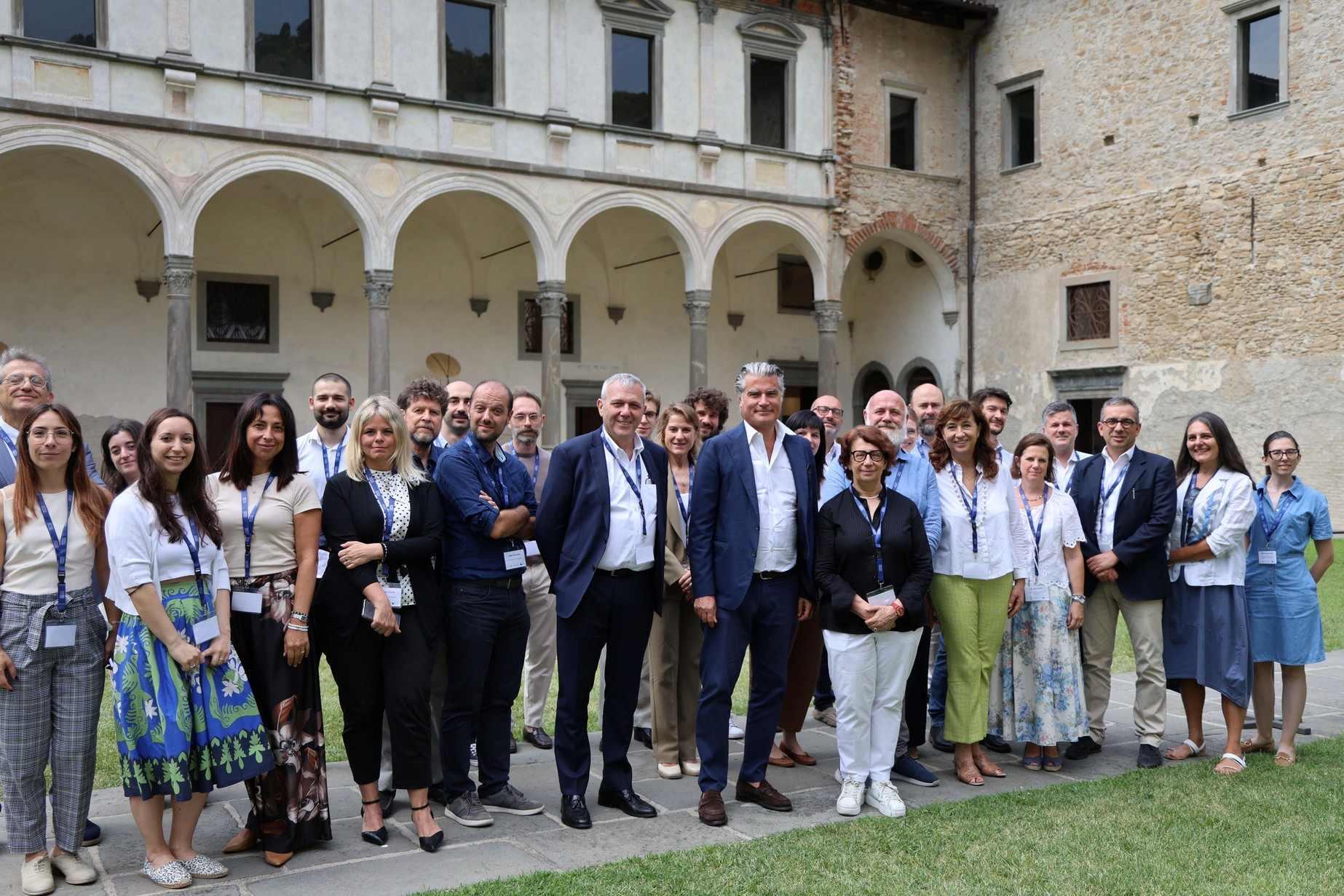
On 30 June 2026, the University of Bergamo hosted its second BAUHAUS4EU Regional Workshop at the Astino Monastery, bringing together representatives from local institutions, businesses and regional partners to co-design the Alliance's future educational activities.
The workshop showcased the innovative learning opportunities that UniBg will launch during the 2026/2027 academic year, including Student-led Courses, European BAUHAUS Courses, micro-credentials and the University's first Regional Living Lab, centred on the Montelungo–Colleoni urban regeneration project. Through plenary discussions and thematic working groups, participants identified regional challenges and explored how universities and stakeholders can collaborate to develop challenge-based educational experiences that foster innovation, sustainable territorial development and stronger connections between academia and society.
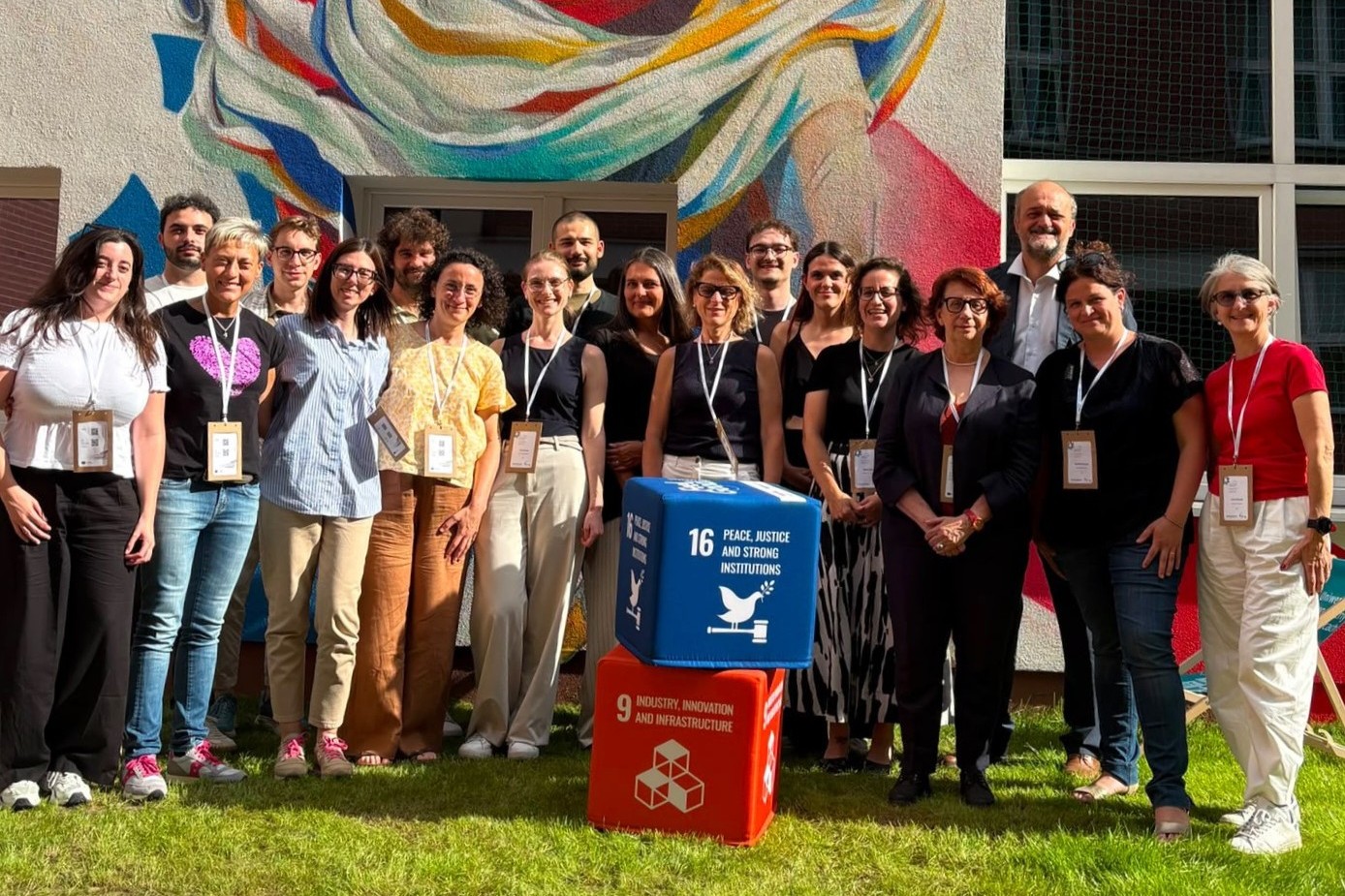
From 22 to 26 June 2026, the University of Economics in Katowice, Poland, hosted the 2nd BAUHAUS4EU Forum, bringing together nearly 300 participants from the Alliance's ten partner universities and their regional ecosystems.
The Forum provided a platform for strategic dialogue and collaboration among students, doctoral candidates, academic and professional staff, public authorities, businesses and regional stakeholders. The programme featured institutional meetings, strategic working sessions, the international conference "Transforming Regions for a Sustainable and Beautiful Europe", networking activities and cultural events, reinforcing the Alliance's commitment to sustainable regional development, innovation and the future of European higher education.
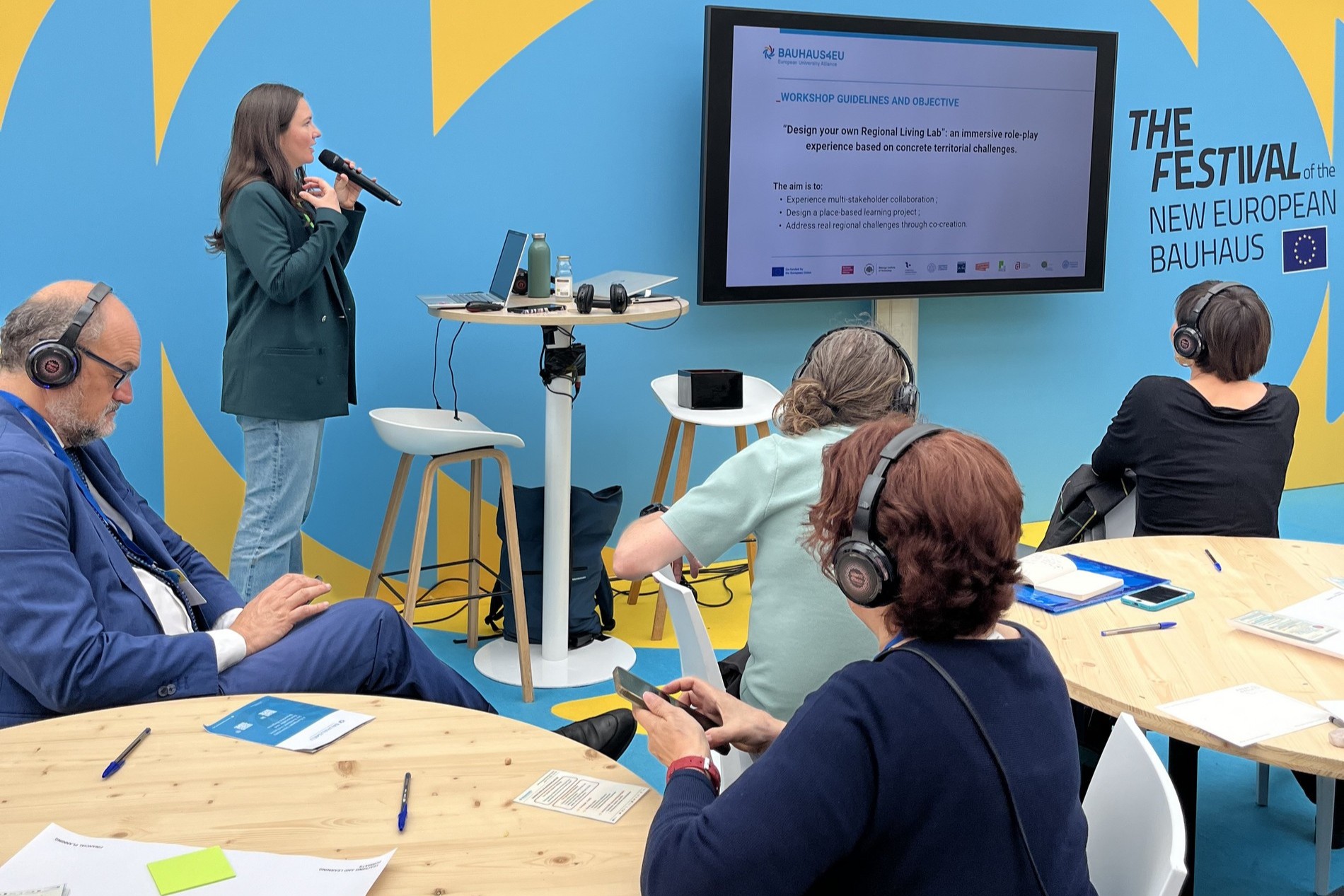
On 17 June 2026, BAUHAUS4EU participated in the New European Bauhaus Festival in Brussels, showcasing the Alliance's commitment to sustainability, creativity and regional collaboration. Representatives from several partner universities, including the University of Bergamo, engaged with students, policymakers and stakeholders, presenting the Alliance's initiatives and exchanging ideas on the future of higher education and regional development.
A highlight of the event was the Regional Living Labs Workshop, an interactive session that brought together academics, students, citizens and regional partners to explore collaborative approaches to sustainable territorial development. Through dialogue, co-creation and artistic expression, the workshop demonstrated how BAUHAUS4EU connects universities with their regional ecosystems to generate meaningful social impact and foster innovative solutions for Europe's future.
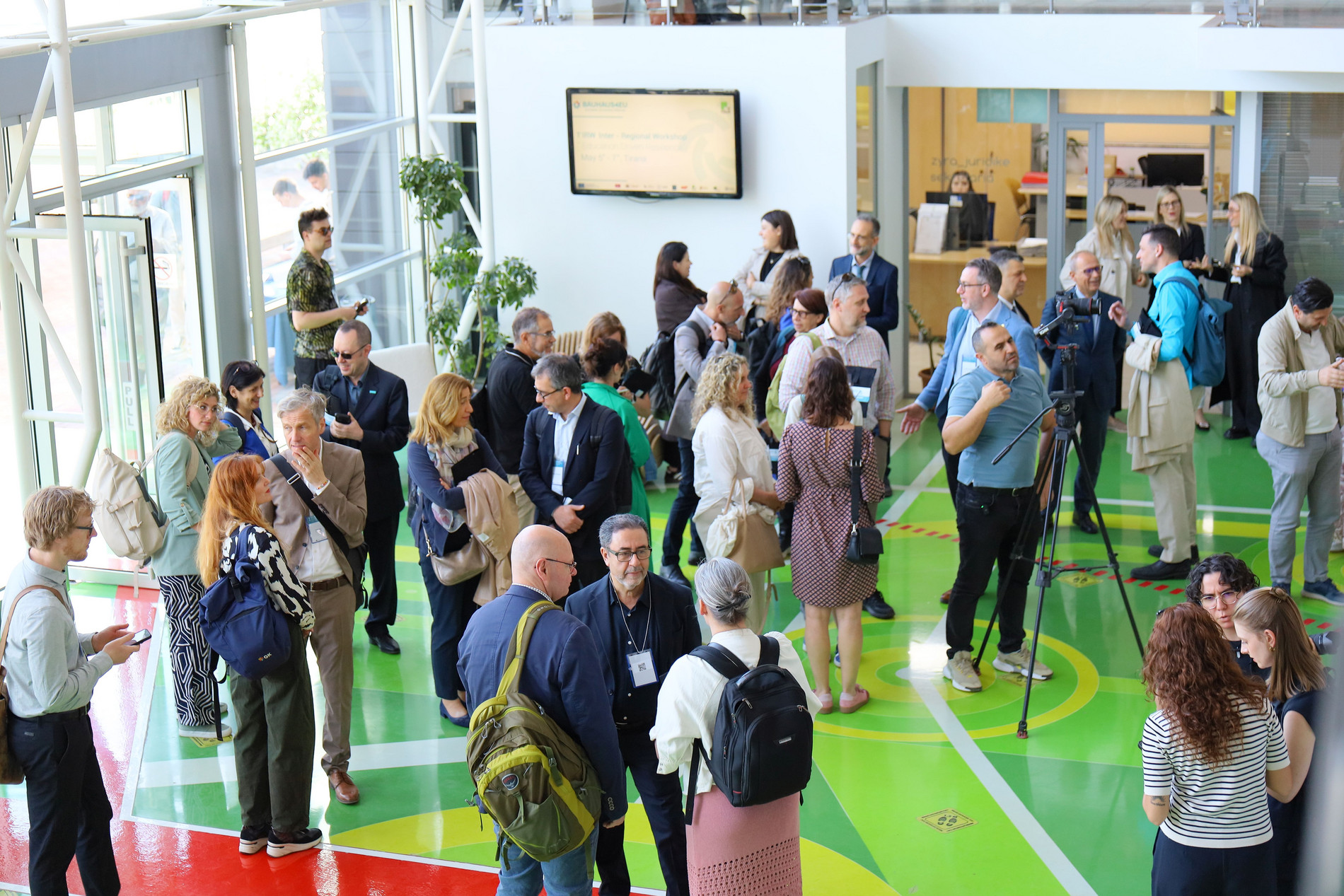
On May 2026, POLIS University in Tirana hosted the first BAUHAUS4EU Interregional Workshop, bringing together universities, public institutions, municipalities, businesses and innovation actors from across Europe to explore the role of higher education in addressing today's societal challenges.
Under the theme "Education-Driven Resilience", participants discussed key topics including sustainability, climate resilience, digital transformation, entrepreneurship and social inclusion. Through thematic sessions and collaborative workshops, the event highlighted the importance of challenge-based learning, Regional Living Labs and interdisciplinary cooperation, reinforcing the BAUHAUS4EU vision of universities as open ecosystems that connect education, research and regional development across Europe.
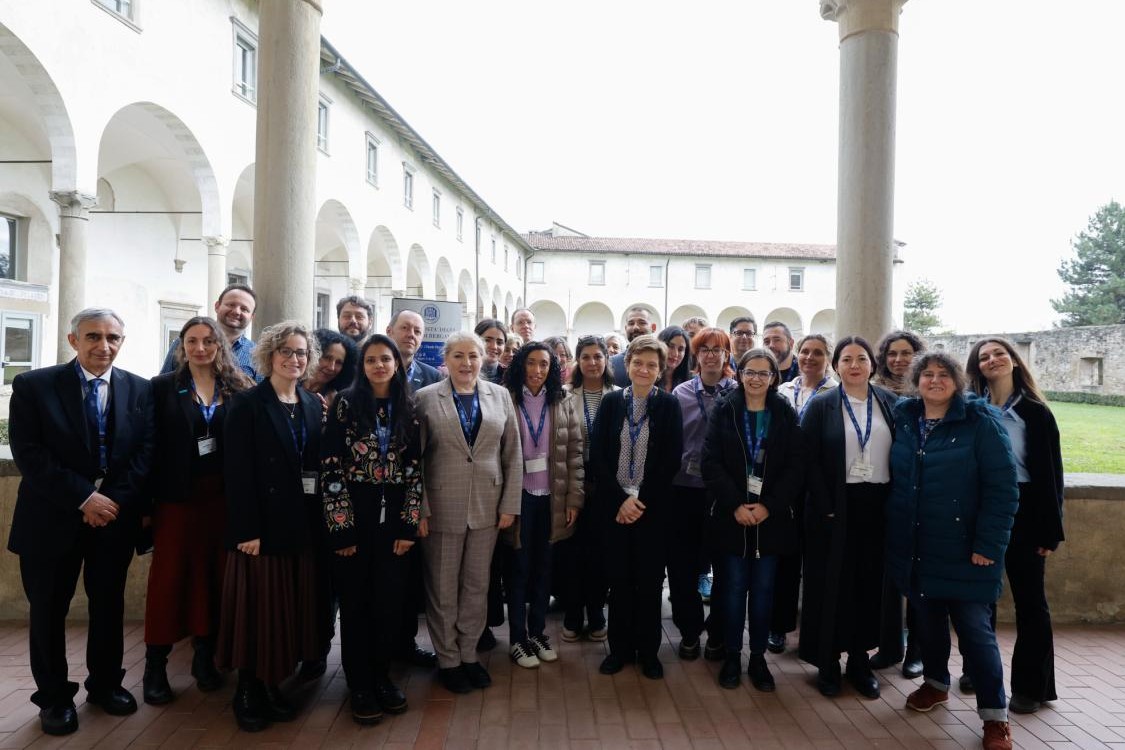
From 10 to 13 February 2026, the University of Bergamo hosted the BAUHAUS4EU WP3 Staff Week, bringing together academic and institutional representatives from the Alliance's partner universities to advance the development of the Alliance's educational framework.
Throughout the week, participants engaged in strategic discussions on joint curricula, innovative teaching approaches and quality assurance. Hosted across the University's campuses, the Staff Week strengthened collaboration among partners and marked an important step towards the creation of a shared and innovative European educational ecosystem.
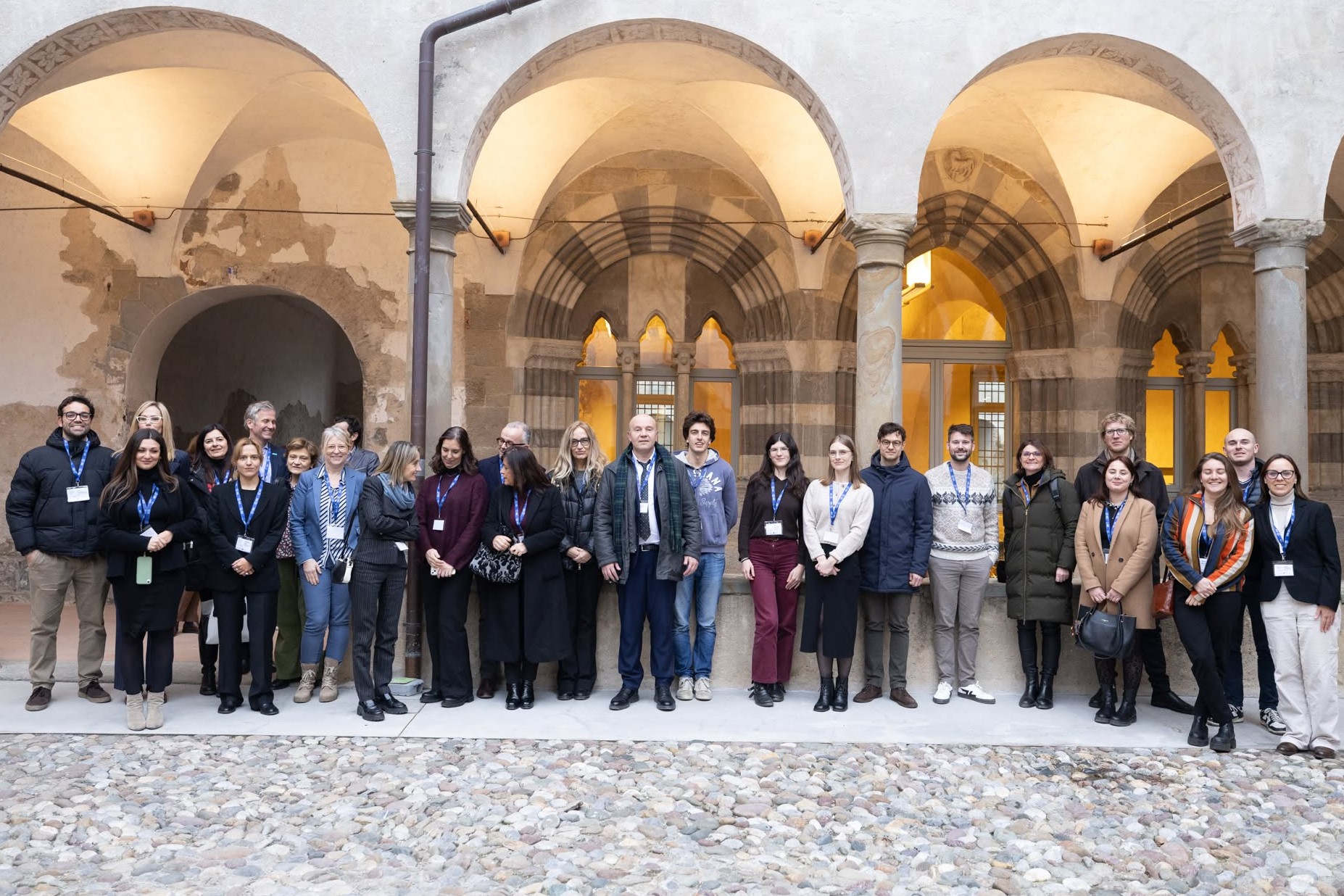
The University of Bergamo hosted a BAUHAUS4EU workshop dedicated to exploring the establishment of legal entities within European University Alliances. The event featured representatives from the Circle U., UNITA, and ECIU University alliances, offering a comparative perspective on different governance models and legal frameworks.
Open to BAUHAUS4EU partners and other interested institutions, the workshop examined the motivations behind the choice of different legal structures, their governance and operational models, funding and financial sustainability, and the strategic opportunities offered by each approach. The event fostered dialogue and knowledge exchange to support the long-term development of European university alliances.
During its first year, BAUHAUS4EU laid the foundations for the Alliance through a wide range of activities involving students, staff and partner universities.
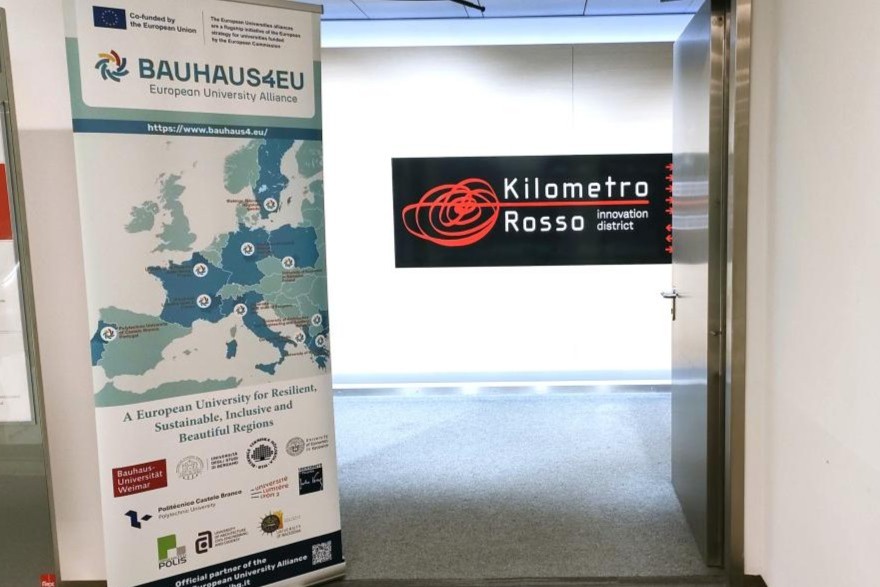
On 9 December 2025, the University of Bergamo hosted the annual BAUHAUS4EU Regional Workshop at the Intellimech Consortium, Kilometro Rosso Innovation District. Entitled "Co-designing the Educational Offer of the Future: Regional Challenges and Priorities for Educational Innovation", the event brought together regional partners and stakeholders to explore innovative approaches to higher education.
The workshop provided a valuable opportunity for dialogue and collaboration with public institutions, industry representatives and local organisations, strengthening the connection between universities and regional ecosystems. Together, participants explored how to co-design educational pathways that address regional needs, foster innovation, and enhance cooperation between academia, business and public institutions.
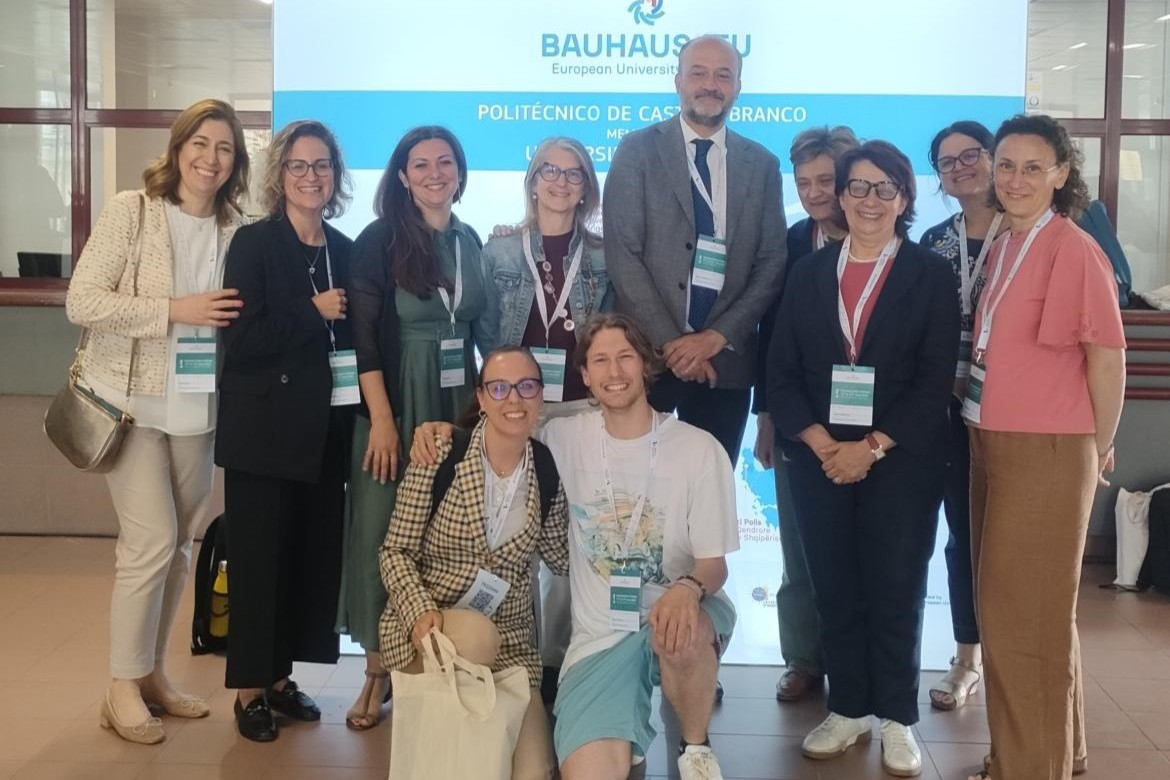
From 11 to 13 June 2025, the University of Bergamo took part in the 1st BAUHAUS4EU Forum, hosted by the Polytechnic Institute of Castelo Branco (IPCB), Portugal. The event brought together the ten partner universities of the Alliance, along with students, academics, professional staff and regional stakeholders, to discuss key topics including sustainability, innovation, accessibility and the future of higher education.
Represented by Rector Sergio Cavalieri, Vice Rector for Internationalisation Flaminia Nicora, and a delegation of academic staff, professional staff and students, UNIBG contributed to institutional meetings, workshops and strategic discussions on joint degree programmes, international mobility and the future development of the Alliance. The Forum reaffirmed the shared commitment of the ten partner universities to building a more sustainable, inclusive and interconnected European higher education landscape.
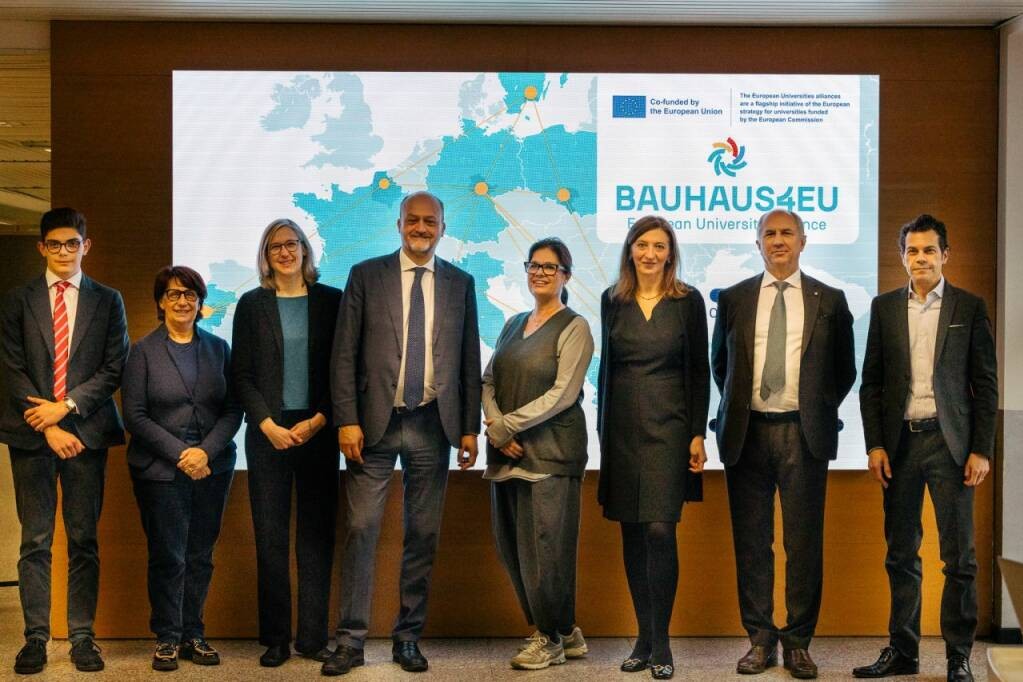
The University of Bergamo hosted the first institutional event dedicated to the BAUHAUS4EU Alliance, bringing together representatives from the Italian Ministry of University and Research, European higher education institutions, and the Alliance's partner universities.
The event presented the European vision of BAUHAUS4EU, highlighting the opportunities offered by the shared transnational campus for students, researchers, academic and professional staff, as well as the role of regional stakeholders in fostering innovation, sustainability and international cooperation. The programme also featured a discussion on the future of European Universities, followed by a Q&A session with members of the BAUHAUS4EU community.
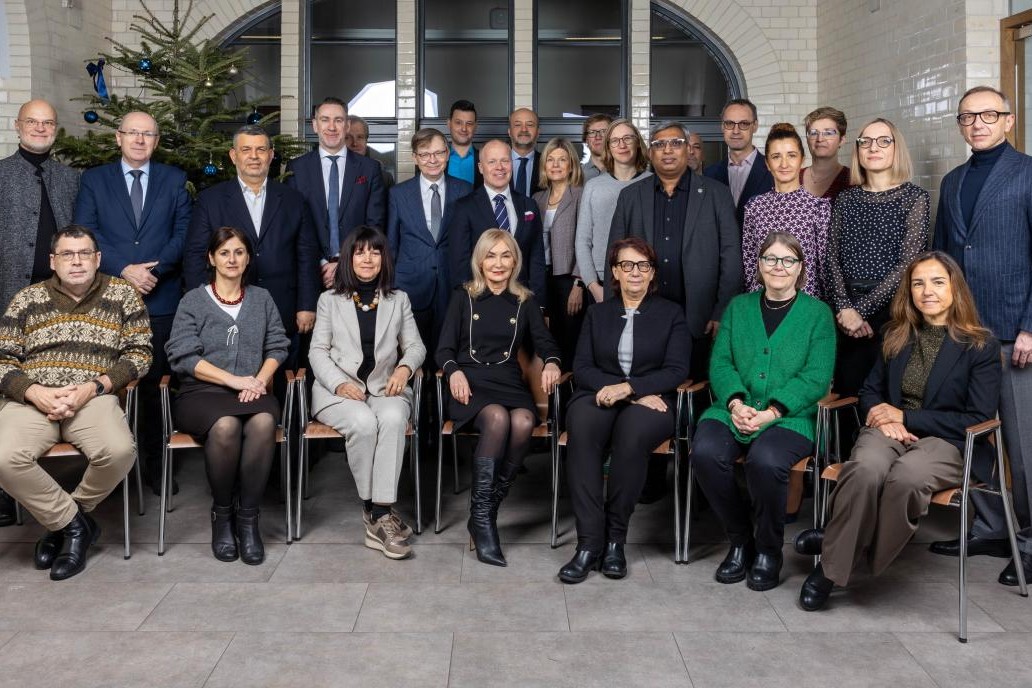
The University of Economics in Katowice, Poland, hosted the official launch of the BAUHAUS4EU Alliance, a new European Universities initiative bringing together ten higher education institutions, including the University of Bergamo.
Funded by the European Commission for the next four years, the Alliance aims to create a shared transnational European campus, offering students, academic staff and professional staff new opportunities for learning, teaching, research and collaboration in an innovative and international environment.
Through close cooperation with regional stakeholders, BAUHAUS4EU will also foster knowledge exchange and create new opportunities for society and the labour market. Particular attention will be devoted to the development of micro-credentials and lifelong learning initiatives, supporting upskilling and reskilling pathways to help individuals and organisations respond to the evolving social, economic and professional challenges of today's world.